What Is Red Light Therapy?
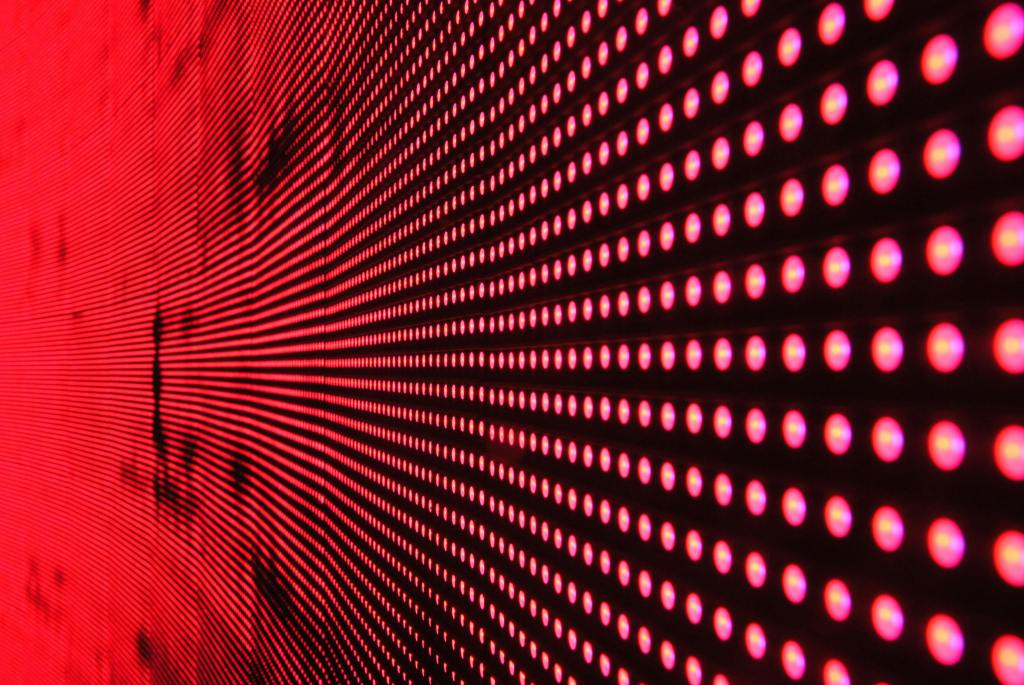
Red light therapy (RLT), also known as photobiomodulation, is a non-invasive treatment that uses specific wavelengths of red and near-infrared light to penetrate the skin, stimulating cellular function and promoting healing.
Initially developed by NASA in the 1990s to aid plant growth in space, RLT has since been studied for various health benefits, including skin rejuvenation, pain relief, and muscle recovery.
Benefits of Red Light Therapy
1. Skin Health & Anti-Aging
One of the most well-known uses of red light therapy is for skin rejuvenation. Studies have shown that RLT can:
- Boost collagen production, improving skin elasticity and reducing wrinkles.
- Reduce redness, scars, and acne by enhancing skin cell regeneration.
- Improve overall skin tone and texture.
A study published in the Journal of Photochemistry and Photobiology found that low-level red and near-infrared light significantly increased collagen density, leading to visible skin improvements.
2. Pain Relief & Muscle Recovery
RLT is also used for pain management and faster muscle recovery. Research suggests that it can:
- Reduce inflammation and promote tissue repair.
- Enhance blood circulation, delivering more oxygen to muscles.
- Alleviate joint pain and stiffness, making it popular among athletes and individuals with arthritis.
According to MD Anderson Cancer Center, red light therapy may stimulate cell production and reduce inflammation, contributing to pain relief and accelerated healing.
3. Mood & Cognitive Function
Emerging research indicates that RLT may positively impact mental health by:
- Helping regulate circadian rhythms, leading to better sleep.
- Boosting neurotransmitter activity, potentially reducing symptoms of depression.
- Improving cognitive function and focus.
Scientific Evidence Supporting Red Light Therapy
Several studies support the effectiveness of RLT:
- A clinical trial found that participants who received red light therapy experienced significant reductions in wrinkles and fine lines, along with increased collagen levels.
- Another study showed that red and infrared light exposure upregulated the expression of collagen and elastin, two essential proteins for maintaining firm and youthful skin.
While results are promising, more large-scale studies are needed to fully understand RLT’s long-term benefits.
My Favorite At-Home Red Light Therapy Device
Incorporating red light therapy into your daily routine is easy with at-home devices. I personally use the Beurer IL50 Infrared Heat Lamp, which provides soothing pain relief for muscle aches and joint pain. The adjustable angle and digital timer make it easy to customize each session. The 300W infrared bulb supports natural healing, while safety features like UV protection and overheating protection ensure a safe experience. It’s an affordable and convenient way to experience the benefits of RLT from the comfort of your home.
How to Maximize the Benefits of Red Light Therapy
- Use it consistently (3-5 times per week for best results).
- Target clean, dry skin for optimal absorption.
- Pair it with a healthy skincare routine to enhance anti-aging effects.
Final Thoughts
Red light therapy is an exciting, science-backed wellness tool with a growing body of research supporting its benefits. Whether you’re looking to improve your skin, reduce pain, or enhance recovery, RLT is worth considering.
Have you tried red light therapy? Let me know your experience in the comments!
 Wellness Wave Collective
Leave a comment