

Life can feel like a whirlwind sometimes. Between work, personal obligations, and everything else on our plate, it’s easy to get caught up in the chaos. But what if you could shift your mindset to not only handle life’s obstacles but to invite more positivity, peace, and good things into your life?
By focusing on self-care and cultivating a positive mindset, you lay the foundation for greater joy, fulfillment, and mental well-being. Here are some practical ways to get started on this journey.
1. Tune into Your Emotions and Triggers
Understanding your emotions is key to cultivating a positive mindset. Often, we react to certain situations without really understanding why. Are there specific thoughts or events that trigger stress, anxiety, or negativity? When you become aware of these triggers, you’re better equipped to manage them.
Start by checking in with yourself and asking: What made me feel unsettled today? By reflecting on your emotions regularly, you begin to recognize patterns that affect your mental state. Identifying these triggers creates the space for positive change.
If you’re looking for extra support, a tool like the Personalized Anxiety Triggers & Coping Strategies Worksheet can help you break down the causes of your stress and find strategies that work for you. The more you identify your triggers and practice coping mechanisms, the more you’ll be able to manage your emotional responses.
2. Shift Your Mindset Through Thought-Challenging Exercises
Your mindset plays a huge role in shaping your experience of life. If your thoughts lean toward negativity or worry, you’re less likely to attract the good things you want. The good news? You can change this.
Challenging your negative thoughts might sound easier said than done, but it’s a practice worth cultivating. Every time you catch yourself overthinking or falling into a self-doubt loop, pause and ask, “Is this thought helping me, or is it holding me back?”
I found myself struggling very often with this cycle of negative thinking. As a result, I created a Challenging Anxious Thoughts worksheet that I can reuse and this has helped tremendously. Here is the link to that if you would like to try it out for yourself!
Mindfulness exercises and thought reframing can be incredibly helpful in shifting these patterns. If overthinking is something that frequently disrupts your mental peace, a tool like the Overthinking Detox Guide provides exercises and strategies that can help break free from the cycle of constant mental chatter.
Personal Note:
You might be wondering, ‘Why do you have worksheets for so many different anxiety scenarios?’ Well, the reason is simple: I’ve been there. I know what it feels like to struggle with anxiety, and I created these worksheets because I truly want to help others who are facing the same challenges. These tools are designed to make the process of managing anxiety a little easier, and I hope they provide the support and guidance I wish I had when I was in the thick of it.
3. Build a Self-Care Routine That Feels Right for You
Self-care isn’t about grand gestures; it’s about the small, consistent actions that nourish your mind, body, and soul. Incorporating simple self-care practices into your daily life doesn’t have to be time-consuming—it could be as easy as taking 5 minutes to breathe deeply, read a few pages of a book, or jot down your thoughts in a journal. The key is consistency and making it a priority.
The most effective self-care routines are the ones that resonate with you. Whether it’s starting your day with a moment of quiet reflection, meditating before bed, or simply taking a walk in nature, it’s important to choose what feels restorative and grounding. By regularly checking in with yourself, you can identify what practices make you feel more balanced and at peace, helping you create a routine that truly supports your well-being.
Personal Note:
As part of my evening routine, I’ve been using red light therapy at home, followed by meditating to peaceful music. This calming combination has really helped me unwind and shift my focus away from the day’s stress, setting a peaceful tone for the night ahead. It’s my way of nurturing my mental and emotional well-being before bed, creating space for relaxation and a restful sleep.
4. Embrace Mindfulness for More Peace
Mindfulness is a powerful tool for staying grounded in the present moment. It helps reduce the habit of worrying about the future or getting stuck in the past, creating space for calm, clarity, and positivity to thrive.
You don’t need to follow a strict routine—mindfulness can be woven into your daily life in small, simple ways. Try incorporating deep breathing, mindful walking, or simply pausing to notice the small details around you. It’s all about being present in the moment and allowing yourself to experience life as it unfolds.
The more you practice mindfulness, the more natural it becomes to create moments of peace and clarity, no matter what’s going on around you. It’s a small shift that can lead to big changes in your overall well-being.
5. Celebrate Small Wins Along the Way
One of the best ways to nurture positivity is by tracking your progress and acknowledging the small steps you’re taking. It’s easy to overlook your growth, especially when you’re focused on bigger goals, but it’s the small wins that add up over time and create lasting change.
Take a moment to reflect on your journey—whether it’s noticing a shift in your mindset or recognizing a change in how you react to stress. Celebrate the little victories, no matter how small they seem. Each step forward is a sign of progress, and giving yourself credit for it is an important part of the process.
Remember, self-care and mental health aren’t about perfection—they’re about the consistent, everyday efforts you make to show up for yourself. So, as you reflect on your progress, take time to appreciate how far you’ve come, even in the smallest ways.
Personal Note:
One tool that’s helped me lately is the Stoic app for gratitude journaling. It’s been a simple but powerful way for me to focus on the positive moments in my day, and it keeps me grounded when life feels overwhelming. By regularly reflecting on what I’m grateful for, I’m able to stay connected to the progress I’m making, no matter how small.
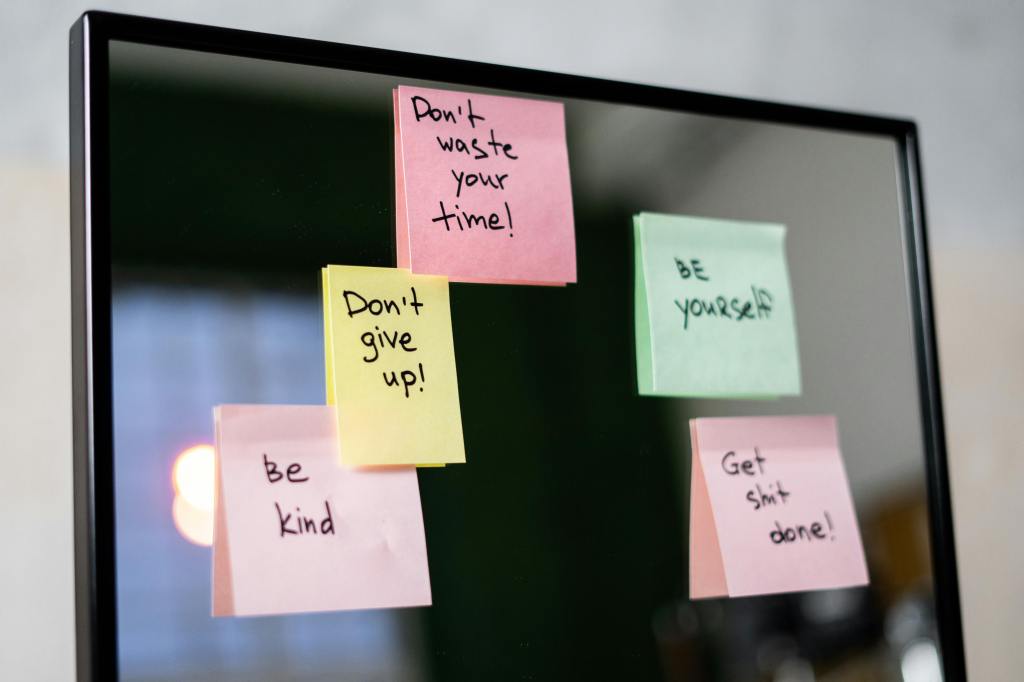
Conclusion
Nurturing your mind is one of the best investments you can make for your overall well-being. It’s not about having everything figured out, but about taking small, consistent steps toward cultivating peace, joy, and clarity. Whether you use tools like the Overthinking Detox Guide or the Personalized Anxiety Triggers & Coping Strategies Worksheet, these practices can support you as you work toward a more balanced life.
Remember, self-care is a journey, not a destination. Every moment you dedicate to caring for your mental health brings you one step closer to the calm and positivity you deserve. Be kind to yourself along the way, and celebrate the progress you make.
Bonus: Manifestation in Action
I know that in my earlier blog post, “Manifestation, is it real or bulls***?“ I explored how manifestation can sometimes feel like a buzzword, and how we need to approach it mindfully and with practical steps. However, this video has truly been a game-changer for me and I wanted to share it because it exemplifies how the right mindset and actions can transform your reality. It’s not about just wishing for something and waiting—it’s about aligning your energy, staying consistent, and working toward your goals while keeping a positive, open heart.
This video inspired me to continue working on my own journey of manifestation, but with more intention and clarity. I hope it brings the same motivation and energy to you as it did for me!
If you’re ready for a burst of motivation, check out this video that really resonated with me.
Credit: Motivation Mastery
Loved this blog post? Subscribe for more! 💌
 Wellness Wave Collective
Leave a comment